
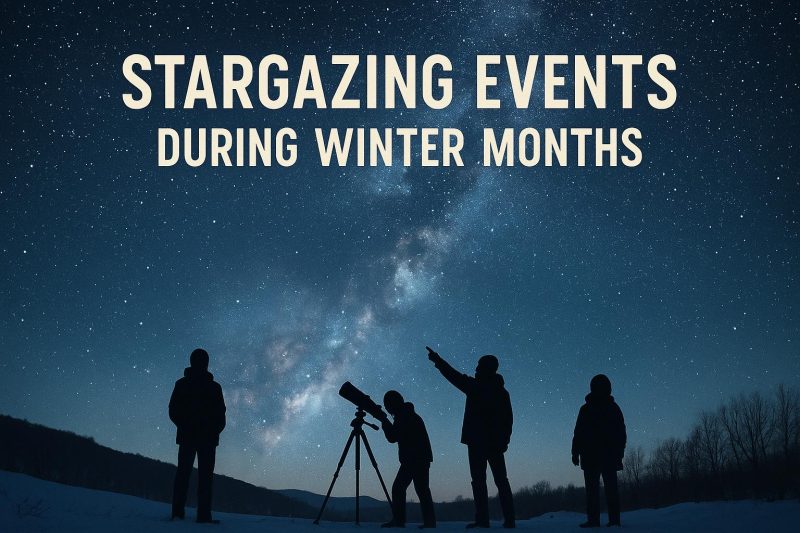
Importance of Stargazing in Winter
Winter months provide some of the best opportunities for stargazing, mainly due to the longer nights and clearer skies. The cooler air is typically less humid, which results in better visibility compared to warmer months. Additionally, winter offers a host of stunning celestial events that attract both amateur and professional astronomers alike.
Major Celestial Events
The winter season is home to several noteworthy celestial phenomena that can be both mesmerizing and educational.
Geminid Meteor Shower: Occurring annually in December, the Geminid meteor shower stands out as one of the most active meteor showers of the year. This dazzling display occurs when Earth passes through the debris of the asteroid 3200 Phaethon. The scintillating shooting stars during this period captivate seasoned stargazers and newcomers. Viewing this event can be an unforgettable experience, providing numerous bright meteors lighting up the night sky.
Quadrantid Meteor Shower: Another spectacular event is the Quadrantid meteor shower, which occurs in January. It is particularly noted for its bright fireball meteors. Originating from the asteroid 2003 EH1, this meteor shower has a brief but intense peak activity period. Under optimal conditions, it can produce a high number of meteors per hour, offering a rapid and breathtaking display for observers.
Opposition of Mars: Roughly every 26 months, Mars reaches opposition during winter. This is a unique event where Mars is closest to Earth, making it appear brighter and larger through telescopes. Observing Mars at opposition offers a rare opportunity to view its surface features and polar caps more distinctly, making it an exciting event for astronomers interested in planetary observation.
Winter Constellations
Winter skies offer a rich tapestry of some of the most recognizable and intriguing constellations.
Orion: As one of the most prominent constellations, Orion dominates the winter night sky. It includes bright stars like Betelgeuse and Rigel and is an excellent target for beginner astronomers. Its notable “belt” of three aligned stars draws attention, serving as a guidepost for locating other astronomical objects.
Taurus: Nearby Orion is Taurus, another significant constellation featuring the bright star Aldebaran and the beautiful Pleiades star cluster. Observing Taurus can be especially satisfying during winter months, as the Pleiades cluster appears as a stunning collection of stars that is visible even to the naked eye and a delight to behold through binoculars or a telescope.
Best Practices for Winter Stargazing
Certain preparations can enhance the stargazing experience, allowing observers to fully enjoy the winter night sky.
Dressing Warmly: Proper attire is essential for winter stargazing to endure cold temperatures. Wearing layered clothing, hats, gloves, and even thermal blankets can ensure comfort during extended observation sessions, enabling stargazers to focus on celestial wonders without being distracted by the cold.
Equipment Care: Cold conditions can affect the functionality of telescopes and cameras. To prevent fogging of lenses and other issues, it is important to allow equipment to gradually adjust to outdoor temperatures. Using dew shields can help mitigate moisture accumulation on lenses, preserving the clarity of the viewing experience.
Resources for Stargazers
For more information on upcoming celestial events and stargazing guidance, several resources are available. The International Meteor Organization and the American Meteor Society provide comprehensive calendars, guides, and updates on celestial phenomena.
Winter is indeed a rewarding time for stargazing, offering numerous opportunities to witness the wonders of the night sky. With the proper preparation and equipment, enthusiasts can indulge in spectacular views of stars, planets, and meteor showers. The unique atmospheric conditions and atmospheric disturbances of winter create a canvas on which celestial objects shine with breathtaking clarity and brightness, allowing stargazers to immerse themselves in the beauty and mystery of the universe.
This season not only captivates interest but has educational potential as well. Observing the night sky fosters a deeper understanding of astronomical movements, cosmic phenomena, and the vastness of the universe itself. Whether one is a seasoned astronomer or a curious beginner, winter stargazing invites everyone to explore and connect with the celestial realms above.
In summary, winter offers unparalleled conditions for stargazing, thanks to longer nights, clearer skies, and an array of celestial events. By dressing warmly, caring for equipment, and utilizing available resources, stargazers can maximize their experience and fully appreciate the magnificent displays that the night sky presents during this season.
