
Introduction to Traditional Farming Practices
Traditional farming practices have stood the test of time, serving as the bedrock of agriculture for countless years. These methods, steeped in history and passed down through generations, are intricately tied to both sustainability and a profound understanding of the local environment. Emphasizing the use of natural processes combined with manual labor, traditional farms often maintain a harmonious balance with their ecosystems, ensuring both productivity and ecological preservation.
The Role of Manual Labor
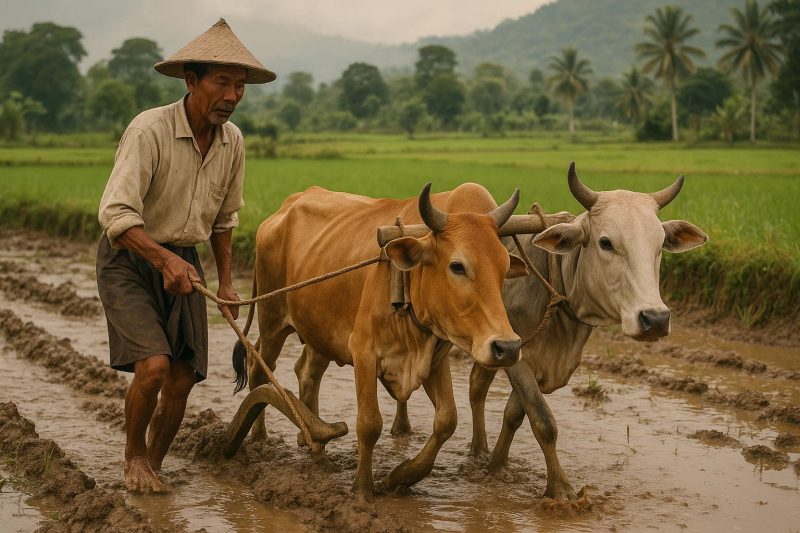
The essence of traditional farming is its reliance on manual labor, as opposed to modern mechanized operations. Farmers engage with the land using hand tools and animal-drawn plows, engaging in practices that are labor-intensive yet deeply rewarding. This approach allows for precise cultivation that is keenly attuned to the unique characteristics of the land. Such methods not only preserve the structural integrity of the soil but also contribute to a reduced carbon footprint when compared to mechanized farming operations. Indeed, the human touch in agriculture brings about an awareness and respect for nature that is often absent in large-scale commercial farming.
Soil Management Techniques
One of the defining features of traditional farming is its approach to soil management. The use of natural fertilizers like compost, manure, and green manure forms the cornerstone of this approach. These organic substances enhance soil fertility without introducing the adverse effects associated with chemical fertilizers. Traditional farmers understand the intricacies of their soil, implementing practices such as crop rotation and intercropping to manage soil nutrients efficiently. This method prevents nutrient depletion, ensuring sustainable crop productivity over time.
Water Conservation Practices
Water conservation holds paramount importance in many traditional farming communities. Techniques such as rainwater harvesting, crafting efficient irrigation ditches, and the practice of mulching play a pivotal role in conserving this precious resource. These methods align with the broader principles of sustainable agriculture, ensuring that water resources are judiciously managed. By implementing such strategies, traditional farmers contribute to the conservation of water, a vital element for both current and future generations.
Crop Diversity and Biodiversity
Unlike the more modern monoculture practices, traditional farms are often a testament to crop diversity. This vast diversity not only promotes biodiversity but also serves as a natural check on pests and diseases. The adoption of multiple crop varieties within a single farming system ensures a robust ecosystem, capable of withstanding various environmental stressors. Additionally, this method contributes significantly to the resilience of local food systems, offering a wide array of produce that caters to different needs and tastes.
Integration of Livestock
In traditional farming, the role of livestock is integrative and multifaceted. Animals are not only a source of manure for fertilization but also assist in tasks like plowing and transportation. This symbiotic relationship underscores a holistic approach, where the benefits are mutual — for both crop production and livestock welfare. Livestock integration exemplifies the core principles of traditional agriculture, where every element within the farm has a role that supports the others.
Preservation of Cultural Heritage
Beyond mere food production, traditional farming embodies the preservation of cultural heritage. For many communities, these practices offer a cultural link to their ancestors, a connection that is both revered and celebrated. The cultural aspect of traditional farming is often highlighted in local festivals, rituals, and informal knowledge-sharing sessions that revolve around agricultural activities. In preserving these practices, communities maintain a living testament to their cultural legacy.
Experiencing Traditional Farming Firsthand
For those with an interest in delving into the world of traditional farming practices, numerous opportunities abound across the globe. Many farms are eager to welcome visitors, offering authentic hands-on experiences that span the entire gamut of farming activities — from planting to harvesting and livestock maintenance. One notable program for such exposure is WWOOFing (World Wide Opportunities on Organic Farms), where volunteers can reside and work on farms in exchange for food and accommodation, providing an immersive insight into the day-to-day operations of traditional agriculture.
Educational Workshops and Tours
Organizations and educational institutions worldwide offer workshops and guided tours focused on traditional farming methods. These programs are comprehensive, often incorporating lectures, hands-on demonstrations, and fieldwork. Participants gain in-depth knowledge of sustainable agriculture practices, the significance of these time-honored methods, and their applicability in contemporary contexts. Such educational endeavors serve as a bridge, connecting the past’s wisdom with modern agricultural challenges and solutions.
Conclusion
Engaging with traditional farming practices provides individuals with a valuable opportunity to develop a deeper appreciation for sustainable agriculture and its pivotal role in maintaining ecological balance. Through experiential learning and cultural immersion, participants glean important insights and lessons that are crucial for fostering a more sustainable future. By taking part in such activities, individuals contribute to the preservation of cultural heritage while promoting biodiversity and sustainability in agriculture. These experiences underscore the importance of keeping traditional farming practices alive, ensuring they continue to inspire and influence future generations.
