
Introduction to Harvest Festivals
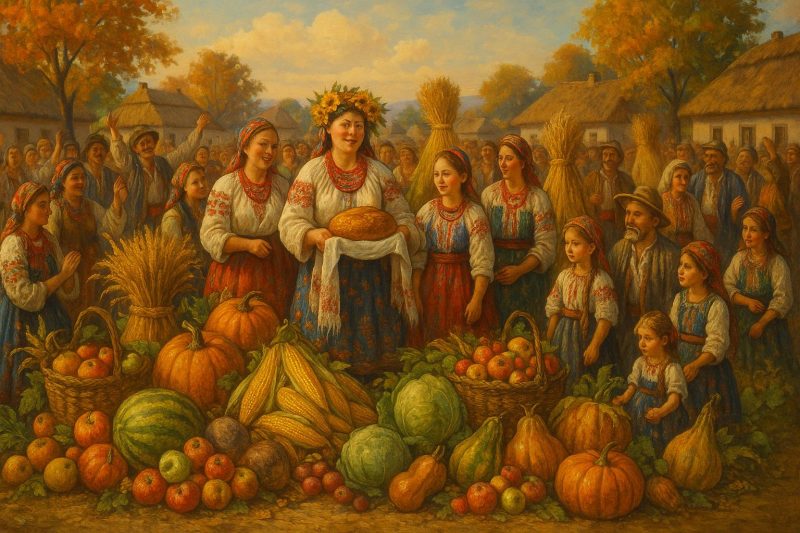
Harvest festivals are significant cultural events observed in numerous regions around the globe. These festivals not only serve as celebratory occasions for the annual gathering of crops but also hold deep cultural and historical value for various communities. Rooted in tradition, these events predominantly focus on expressing gratitude for a successful harvest through a variety of local foods, music, and dances. Exploring these festivals allows for a deeper understanding of the agricultural practices and cultural heritage that define different communities.
Common Themes in Harvest Festivals
While harvest festivals are distinct in their specific observances and customs, they often share a set of core themes—gratitude, community gathering, and feasting. These themes are prevalent across geographical boundaries and cultural lines. By examining these universal elements, it becomes evident that harvest festivals serve fundamental roles within societies. Drawing communities together, these celebrations manifest appreciation for the bounties provided by nature, fostering a sense of unity among participants. This communal gratitude typically manifests in festivities that involve shared meals, often composed of seasonal and locally produced foods, along with various forms of entertainment like music and traditional dances.
Historical Significance
Historically, harvest festivals were vital to agrarian societies as they signified the conclusion of a critical agricultural cycle. The successful gathering of crops marked a time of abundance, which was often attributed to divine or supernatural intervention. Consequently, many ancient cultures integrated rituals and ceremonies intended to honor deities or appease spirits thought to be responsible for the harvest. These acts of homage were believed to ensure the prosperity of future harvests. Some of these practices have persisted for centuries, with historical records and archaeological findings offering evidence of early harvest celebrations. Over time, these festivals have evolved, adapting to contemporary cultural influences while maintaining their original essence.
Regional Variations
The manner in which harvest festivals are celebrated varies significantly across regions, reflecting local customs, climates, and agricultural products. For instance:
– In North America, the widely celebrated Thanksgiving is deeply ingrained in the culture as a time for family reunions and opulent meals featuring turkey, cranberry sauce, and pumpkin pie. To learn more, you can visit the history of Thanksgiving.
– In the Indian subcontinent, festivals such as Pongal in Tamil Nadu and Makar Sankranti across various states commemorate the harvest season. These festivals typically involve preparing traditional dishes from newly harvested produce and are marked by events like kite flying, symbolizing the sun’s northward journey.
– In Europe, while the Oktoberfest in Germany is internationally renowned as a beer festival, its origins lie in harvest celebration. Over time, Oktoberfest has transformed into a global event, attracting visitors worldwide with its signature blend of Bavarian culture, food, and drink.
These examples illustrate how each region imbues its harvest tradition with cultural significance, tailored to suit their unique histories and environments.
Modern Adaptations
In modern times, many harvest festivals have expanded beyond traditional practices, incorporating elements designed to appeal to a broader and more diverse audience. These contemporary adaptations frequently integrate attractions that cater to tourists and non-locals, such as culinary showcases, fusion food stalls, and international live music performances. The global exchange of culture and ideas has infused new dimensions into these age-old celebrations, creating a fusion of old and new world elements. Harvest festivals now often feature cooking demonstrations where visitors can observe the preparation of regional dishes and taste samples from a variety of cuisines—bringing a fresh perspective to the celebrations.
Conclusion
Ultimately, harvest festivals offer an insightful glimpse into the intersection between agriculture and culture. These events highlight the indispensable role of agriculture in sustaining societies while showcasing the myriad ways communities celebrate the gifts of the earth. They provide a platform for cultural exchange and storytelling, preserving the traditions and legacies of past generations. For those who seek to engage with and experience these vibrant celebrations, many regions host public events enabling participation. Consequently, those interested in deepening their understanding of harvest festivals and their significance are encouraged to explore further through resources such as visiting World Food Travel Association for insights into global food festivals, as well as participating in local gatherings that bring these age-old traditions to life.
